


Pay attention to everything that matters.
Bring developments across sources and channels into a common view, with relevance determined by the objectives of the team.
The next version of thinkwell.tech, for review. Not live yet. See the live site
Skip to the pageThe People Behind Thinkwell
Thinkwell is developed by Pulp, an independent research and technology company.
If you’d like to know more about the people, ideas, and research behind Thinkwell, we’d encourage you to explore Pulp.
Thinkwell was developed by people who understand the technology and the professional environments in which it needs to work. Our team brings together researchers, engineers, and professionals with experience across government, public affairs, business, data science, and software development.
That combination matters. We’ve worked with the demands of complex institutions, competing priorities, consequential decisions, and information that rarely arrives when or how it’s needed. We’ve also spent years researching how people communicate, reason, and make decisions.
Thinkwell brings those perspectives together, with its development informed by the people and organizations who will use it.
The team
Researchers, engineers, and professionals from government, public affairs, business, data science, and software, with the advisors who help steer the work.
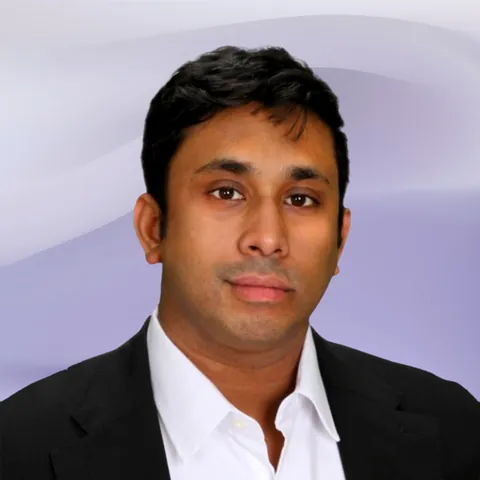 Shah UllahFounder & Chief Executive Officer
 Hannah PeytonCo-Founder and Chief Operations Officer
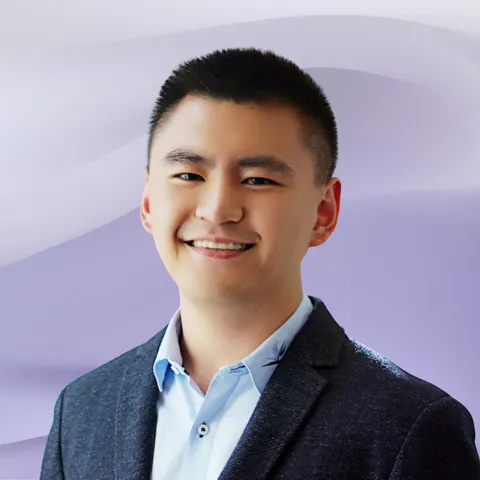 Wen ZhangCo-Founder and Chief of Product Analytics
 Jeff HarrisCo-Founder and Head of Partnerships
 Uday TurakhiaCo-Founder and Chief Technology Officer
 Damani ThomasCo-Founder and Research Engineer, Back-End Lead
 Ismael LarrosaChief of Product Experiences
 Pat ArcadipaneCo-Founder and Chief Financial Officer
 Abdullah Al MubinSr. Research Engineer, Full-Stack
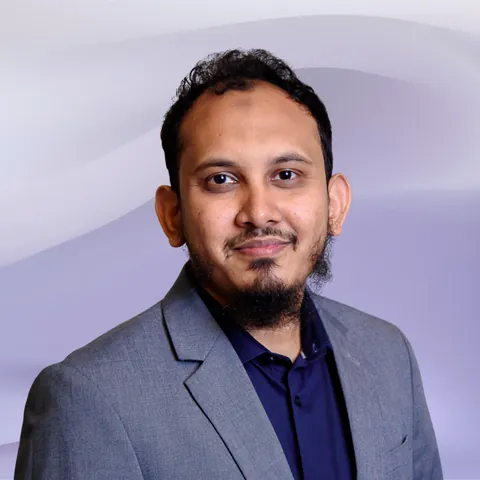 Razy HassanSr. Research Designer, UI/UX
 Andrew ShiResearch Engineer, Full-Stack & Product Manager
 Milana KumarResearch Engineer, Machine Learning & Engagement Analyst
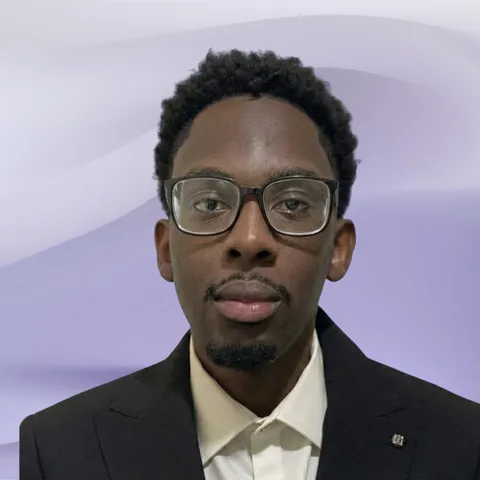 Nasir NasirFinance Associate
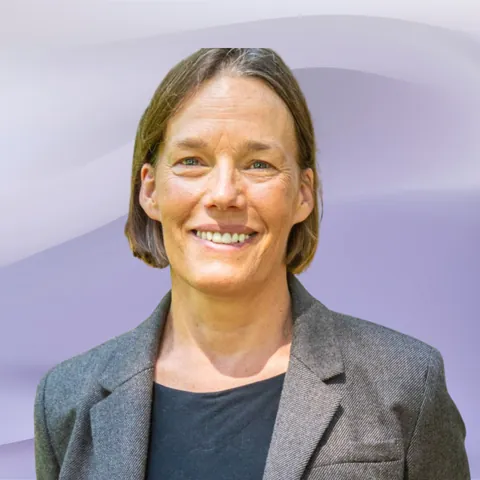 Jen CernyEducator & Metacognitive Researcher
 Joseph HoeferLobbyist & AI Policy Executive
 Scott RadcliffeEnterprise Executive & Business Analytics Expert
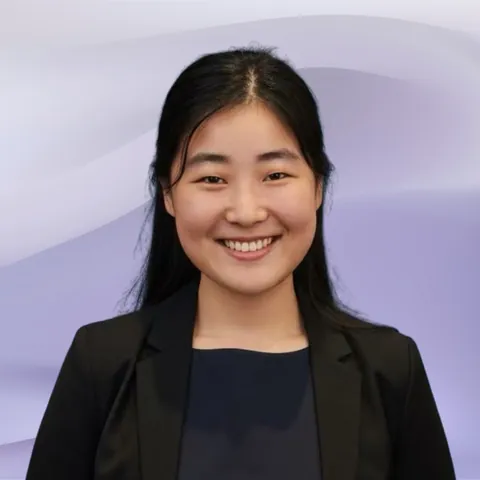 Nan LiAssistant Professor & Social Sciences Researcher
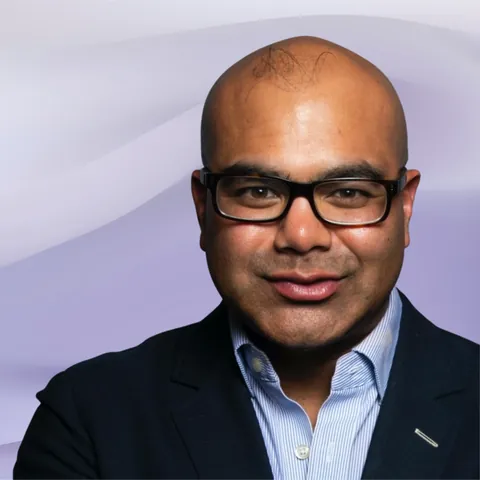 Toby ChaudhuriPublic Relations Executive & Communications Expert
The people building Thinkwell have worked in government offices, advised organizations navigating public policy, developed commercial technology, conducted research, and managed projects in environments where information and priorities change constantly.
That experience has influenced how we think about the product. We know that a better tool needs to do more than generate an answer. It needs to account for the work surrounding a decision: the research that precedes it, the people involved, the deadlines that shape it, and the responsibilities that follow.
We’re interested in technology that fits into those environments and makes the people working within them more capable.
Thinkwell is built on the research and technology developed by Pulp™, a Brooklyn-based company investigating how language, attention, and engagement shape human understanding and decision-making.
Since 2019, Pulp has brought together people from different disciplines and generations to investigate questions about persuasion, reasoning, and the ways people communicate. Its research draws from mathematics, rhetoric, psychology, economics, and computer science.
Thinkwell is one way that research becomes useful. It combines Pulp’s specialized methods with AI-powered capabilities for research, analysis, communication, planning, and evaluation, bringing those tools together in a working environment for professionals.
Thinkwell’s development is informed by the people who understand the work it is intended to support. Conversations with practitioners, collaborators, and prospective customers help us identify problems worth solving, reconsider assumptions, and evaluate how well the technology performs outside a research environment.
We believe useful technology develops through that exchange. The people who build a system bring technical and research expertise; the people working with it bring experience that cannot be fully reproduced in a development environment.
Both are essential to making something worth using.
The future of work demands more than faster production. It demands the ability to make sense of more information, develop sound judgment, and share what we learn.
Bring developments across sources and channels into a common view, with relevance determined by the objectives of the team.
Examine arguments, compare scenarios, and make the reasoning behind important decisions easier to review.
Make the knowledge, working methods, and experience of your people more accessible to one another. Build on what the team has learned rather than starting over every time responsibilities change.